
by Clara Potter · March 23, 2015 1:06 PM
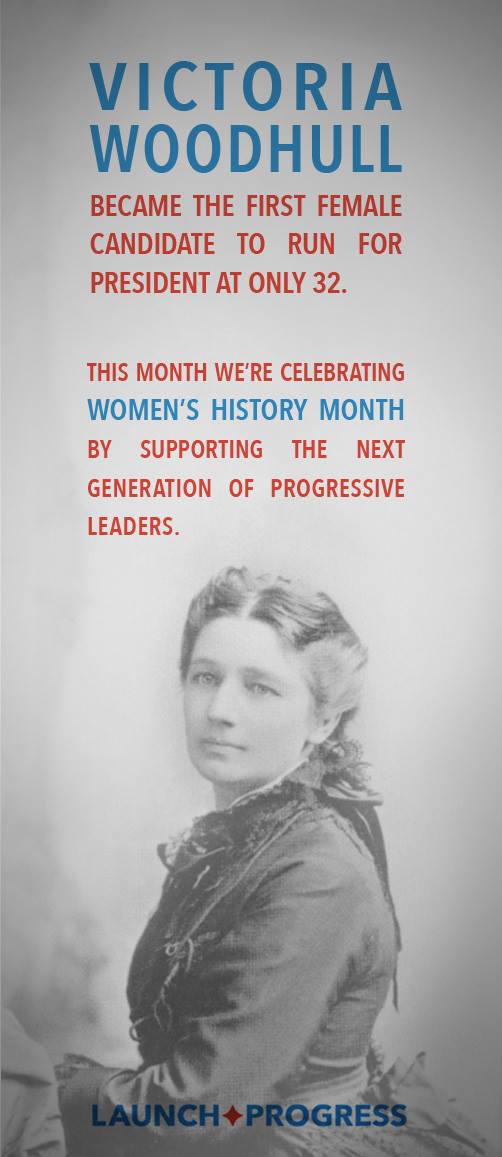 March is Women’s History Month. While we take stock of the many accomplishments of women in history, it is an important opportunity to assess where we are in 2015, and to recognize how far we still have to go to establish true gender equality.
Consider the case of Emma Sulkowicz, who has garnered national attention for her public stand against Columbia University’s unwillingness to take disciplinary action against her accused rapist, fellow student Paul Nungesser. Each day Nungesser goes unpunished, Sulkowicz carries her mattress around campus. As a result, Sulkowicz has been subject to vicious public attacks against her character that reach deep into her private life.
But the latest volley came from a recent Daily Beast article on Nungesser — who was accused of raping three other young women and a young man while at school. Reading the piece, I was shocked to see Sulkowicz’s private Facebook correspondence published as evidence in an attempt to exonerate him, a glaring transgression of her privacy.
Sulkowicz’s case highlights our society’s inability to talk about providing women with security and autonomy in their private lives — be it in the bedroom or the doctor’s office — while protecting the sanctity of their privacy. Her performance art project captures perfectly this collapse of the private into the public. As she carries the symbol of the most intimate of spaces in public view, the world is given almost voyeuristic access to both the site of her attack, and the vulnerability she feels as her safety and privacy are denied.
This case also demonstrates the profound flaws in our conversations and policies on topics relating to women. But to make real change, we first need more women in leadership roles who can change the conversation.
Decisions about the private sphere for women are currently decided in public discourse dominated by men. As our legislative bodies take up issues like reproductive choice and sexual safety, too few women are even present to help make these critical decisions. There are only 104 women in Congress, or roughly 19 percent. In state legislatures, where much of this policy is made, it’s only slightly better at 24 percent. Ruth Bader Ginsburg recently recounted a common question asked of her by interviewers regarding when there will be enough women on the Supreme Court. She lamented the shock that many have when she replies, “When there are nine.” We must demand more.
But we must also ensure that legislative chambers are places that are hospitable to women. As a scathing Politico report on the history of women in the Senate recently demonstrated, these spaces are often dismissive of, and sometimes outwardly hostile toward, their female members. The public sphere must be a place where women are respected and listened to. The exercise of real autonomy in this country should not be gendered, and we must stop demanding the public sacrifice of women who seek to exercise that autonomy.
This is why I support the work of LaunchProgress, an organization that targets the discrepancies between our elected bodies and the general population. It aims to bring more young people from diverse backgrounds into public office, so that public discourse and policy can reflect the multitude of voices that make up the American populace.
We desperately need more women, more people of color, and more young people in leadership positions so that the future of our country serves average people rather than the powerful few. LaunchProgress understands that this begins locally, at the state and municipal level. By focusing on building the bench with young progressives, including more women, LaunchProgress is laying the foundation for these leaders to go on to influence national conversations.
Securing a more just future for this country requires taking a critical look at the abysmal state of diversity in national leadership. So this month, let’s not just remember the greatness of past accomplishments, but remind ourselves how far we have to go.